
The resurrection of Jesus is one of the most central beliefs of Christianity and yet it is also one of the most controversial and debated. There is no shortage of skepticism in the world today about the resurrection. Many people would argue that there is no solid evidence that Jesus rose from the dead and therefore if one is to believe in the resurrection one must accept it with “blind faith.”
However, there are two problems with this. First, this view puts forward a faulty definition of faith. Skeptics will often argue that faith is “belief without evidence” but this simply isn’t true. Faith may involve believing in things we cannot see but this does not mean we do not have good evidence for believing them. Second, this view assumes that there is no evidence that Jesus rose from the dead, but nothing could be further from the truth. If a person takes an honest look at the facts, he or she will quickly discover that there is a huge amount of evidence for the resurrection.
Years ago, author and apologist Lee Strobel said that you could summarize the evidence for the resurrection with what he called the “Five Es.” Below is a brief summary of these five pieces of evidence.
The Execution of Jesus – Some skeptics have argued that Jesus didn’t really die when he was crucified. Instead, they say that he may have only appeared to be dead when his body was taken down from the cross, leading people to the wrong conclusion that he rose from the dead when he later reemerged from the tomb. However, this argument simply doesn’t hold up under scrutiny. The Romans were experts at executing people and there is virtually no chance Jesus could have survived the torture and crucifixion described in the gospels. Furthermore, if he had somehow survived, it would have been obvious what had happened when he reappeared because his body would have been grossly disfigured. The evidence demonstrates that Jesus was clearly dead when they laid him in the tomb.
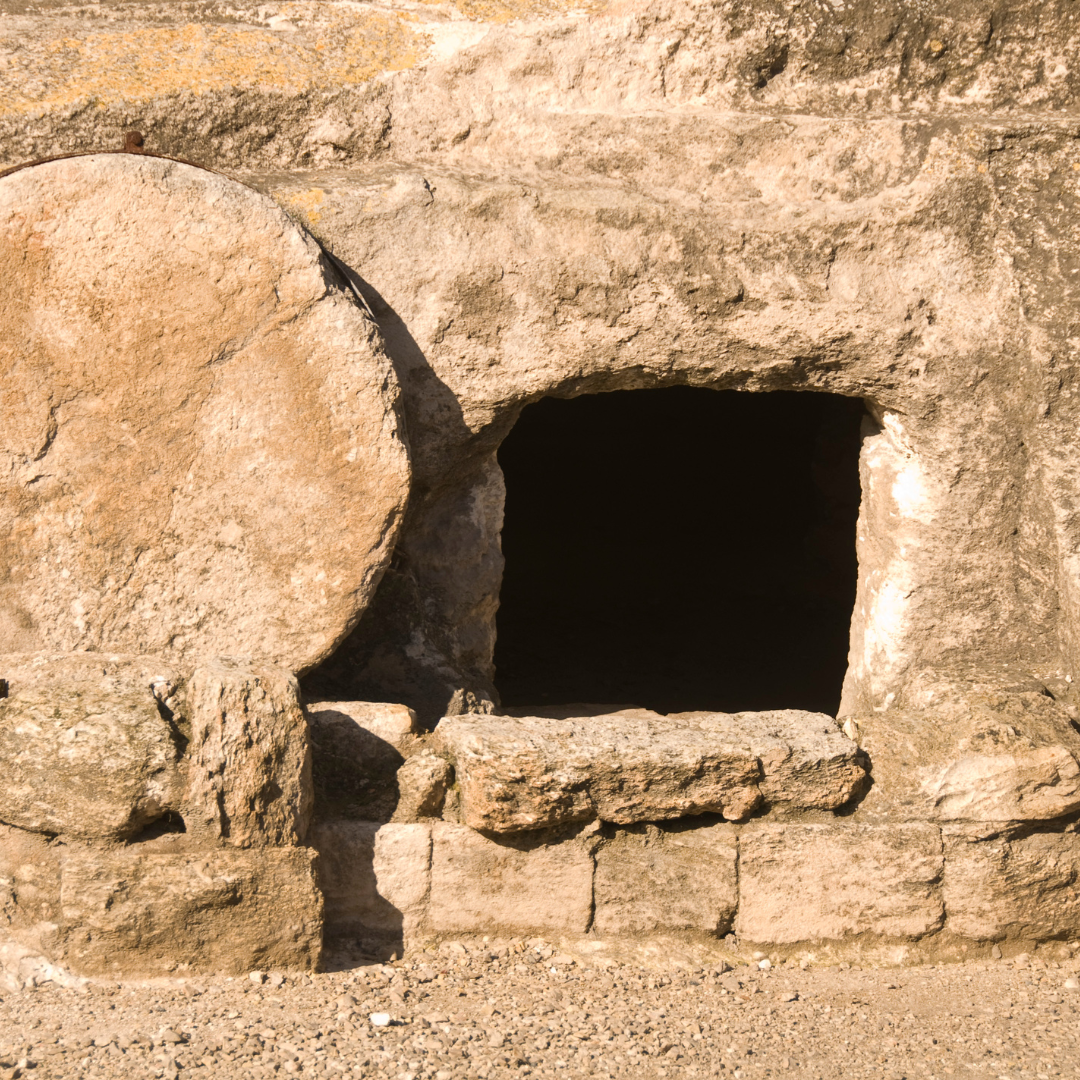 The Empty Tomb – All of the gospel accounts agree that the tomb of Jesus was empty on the first Easter morning. Even the enemies of Jesus acknowledged that his body was not in the tomb. However, some skeptics argue that perhaps the women who reported the resurrection went to the wrong tomb or that the disciples stole the body of Jesus. However, these arguments ignore the fact that the location of the tomb was well-known by those who witnessed the crucifixion (including the women) so there is no chance that they got the wrong address. Furthermore, the disciples didn’t have the means to steal the body of Jesus. The tomb was sealed and guarded by Roman soldiers, and therefore it is implausible to suggest that the disciples stole the body.
The Eyewitnesses – The Gospels tell us that after the tomb was discovered empty, Jesus appeared to multiple people in multiple places on multiple occasions. In fact, the Apostle Paul reports that Jesus didn’t just appear to his disciples but to five hundred other people at one time (1 Cor. 15:6), most of whom were still alive when he wrote his letter. This debunks the argument sometimes made by skeptics that the appearances of Jesus were hallucinations. Hallucinations are, by definition, visions that one person sees but that others do not see. The appearances of Jesus were far too numerous to be hallucinations and could be verified by interviewing the eyewitnesses who were still alive at the time.
The Early Records – The resurrection is recorded in the four gospels, which were all written in the first century by people who knew Jesus and were present during the events they describe. These writings have demonstrated themselves to be historically reliable and well-attested ancient documents. Some skeptics accuse the disciples of writing “legends,” but the Gospels do not bear the marks of legendary accounts. For example, if the disciples had set out to write legends, they would not have included embarrassing details such as their own failures or the discovery of the empty tomb by women (who were not trusted as witnesses in the ancient world). From every angle the gospels prove themselves to be historically reliable.
The Emergence of the Church – One of the most puzzling questions that the skeptic must explain is: What would cause a group of frightened and disillusioned disciples who went into hiding after the crucifixion to become a band of courageous leaders who were willing to give up their lives to defend their belief in the resurrection? It is hard to explain such a phenomenon if Jesus did not really rise from the dead. The martyrdom of the early disciples and the growth of the early church only make sense if they had genuinely witnessed the risen Christ.
When put together, these five pieces of evidence make a compelling case for the resurrection. They are a reminder that even though Christians today live by faith, we do not live by blind faith. On the contrary, our faith is rooted in solid evidence. When a person is willing to take an honest and objective look at that evidence, the most reasonable explanation is that the Lord Jesus truly rose from the dead.